The 7 Biggest Tiger Fishing Myths

What Years on the Zambezi Have Taught Us
Share this with CHris and Louis on Whatsapp
WhatsApp
Facebook
Twitter
LinkedIn

Spend enough time around anglers, and you start hearing the same things over and over. Some are true. Many are not.

Some are true.

Many are not.

At Kubu & Kwena, we host hundreds of fishing guests every year on the Zambezi River. Some are seasoned anglers with decades of experience. Others arrive having never held a fishing rod before.

After recording thousands of fish catches, spending countless days on the water and listening to the stories guests tell around the fire, we have noticed something interesting: many of the things people believe about tiger fishing simply are not true.

Here are seven of the biggest myths we encounter.

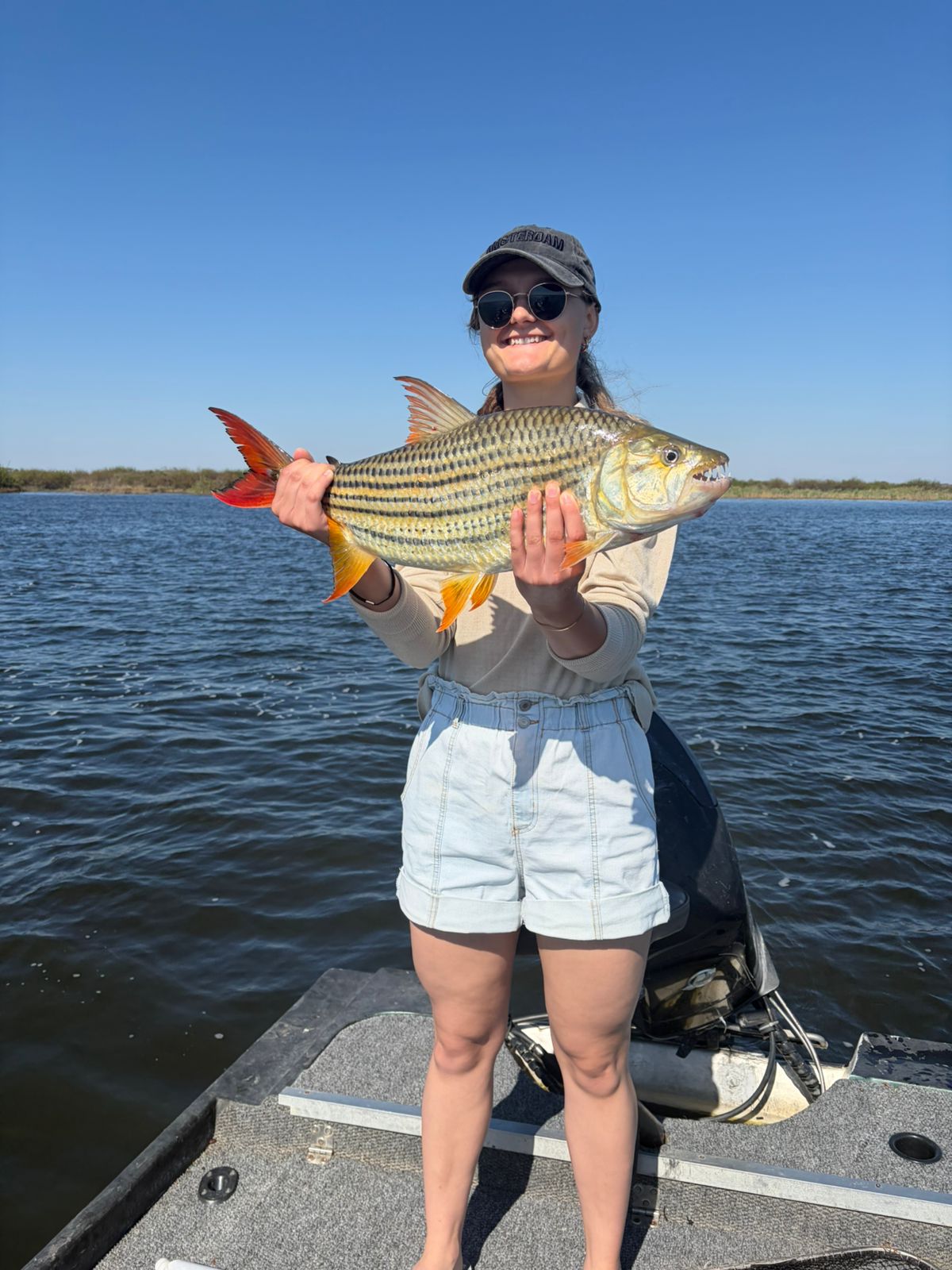
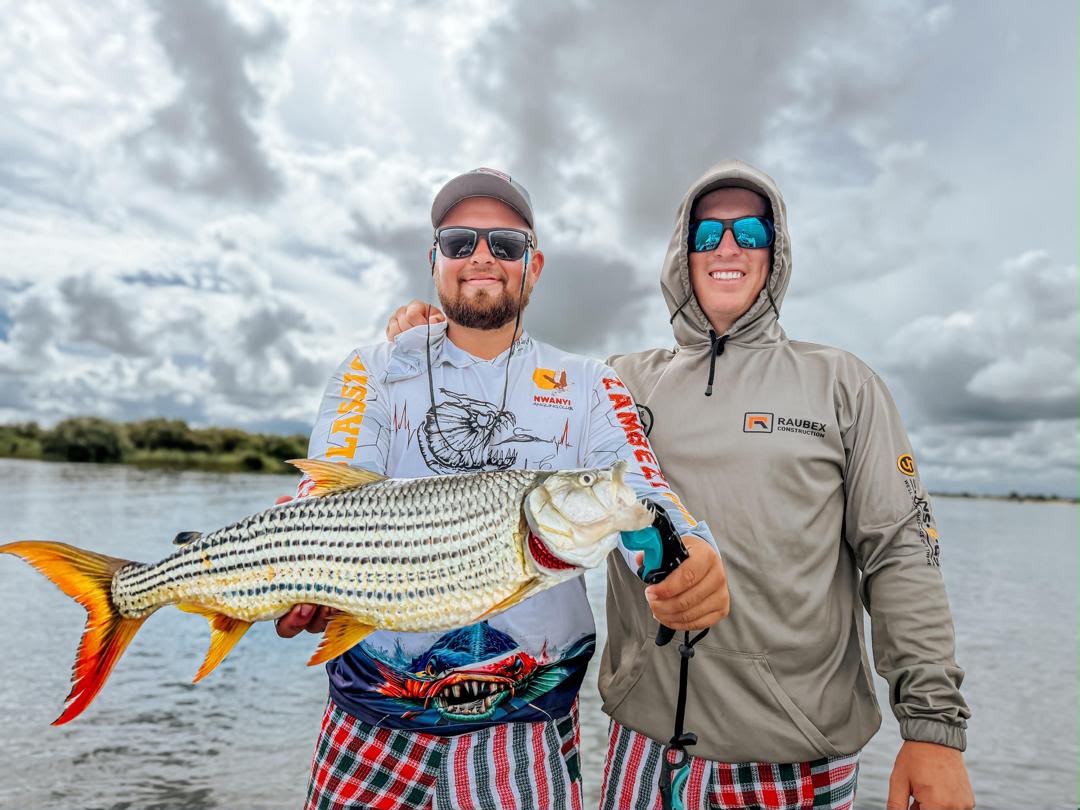
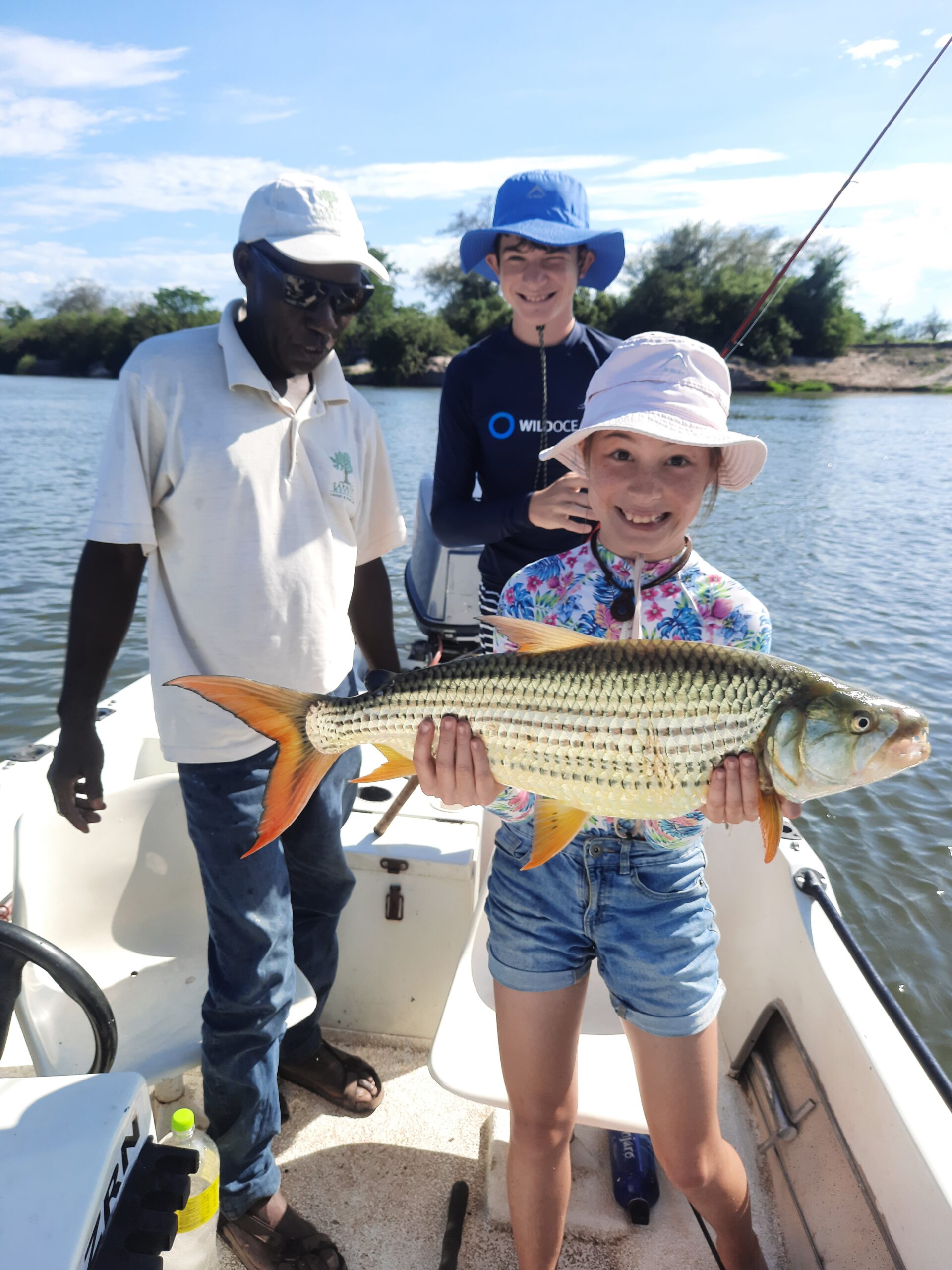
Myth #1: You Need To Be An Experienced Angler To Catch Tigerfish

This is probably the most common misconception we hear.
 
Many first-time guests arrive convinced that tiger fish are only caught by experts. They imagine years of experience, specialist tackle and some mysterious skill that only serious anglers possess.
 
If we can let you in on something: The fish have not received this memo.
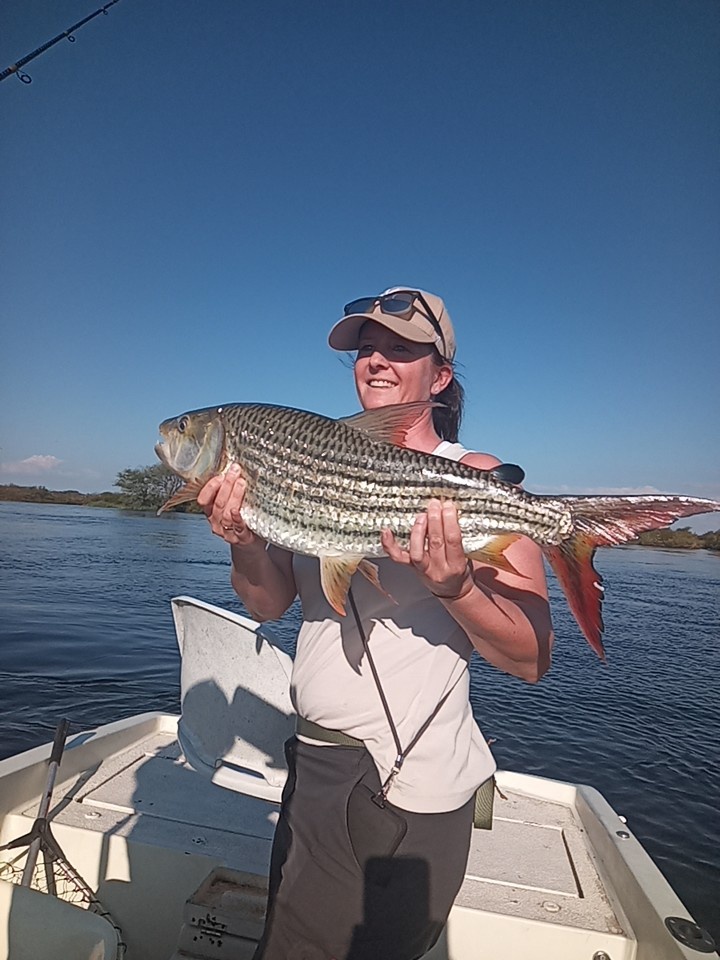
A recent couple from the United Kingdom arrived with a highly experienced international fishing outfitter. The husband had fished around the world but had never landed a tigerfish.
 
His wife, let’s call her Nancy, had never caught a fish in her life. On departure day, congratulations to all for landing tigers, but an added slow clap for Nancy, landing the biggest tigerfish of the trip.
 
The reality is simple: Tigerfish do not care how many years you have been fishing. They care whether a hungry fish meets the right bait in the right place at the right time. (Well, hello Mrs Robinson.)
 
A good guide, a suitable rod (our guide to the best tiger fishing kit here) and a willingness to learn will take most beginners surprisingly far.
Kubu and Kwena Zambezi Tiger Fishing

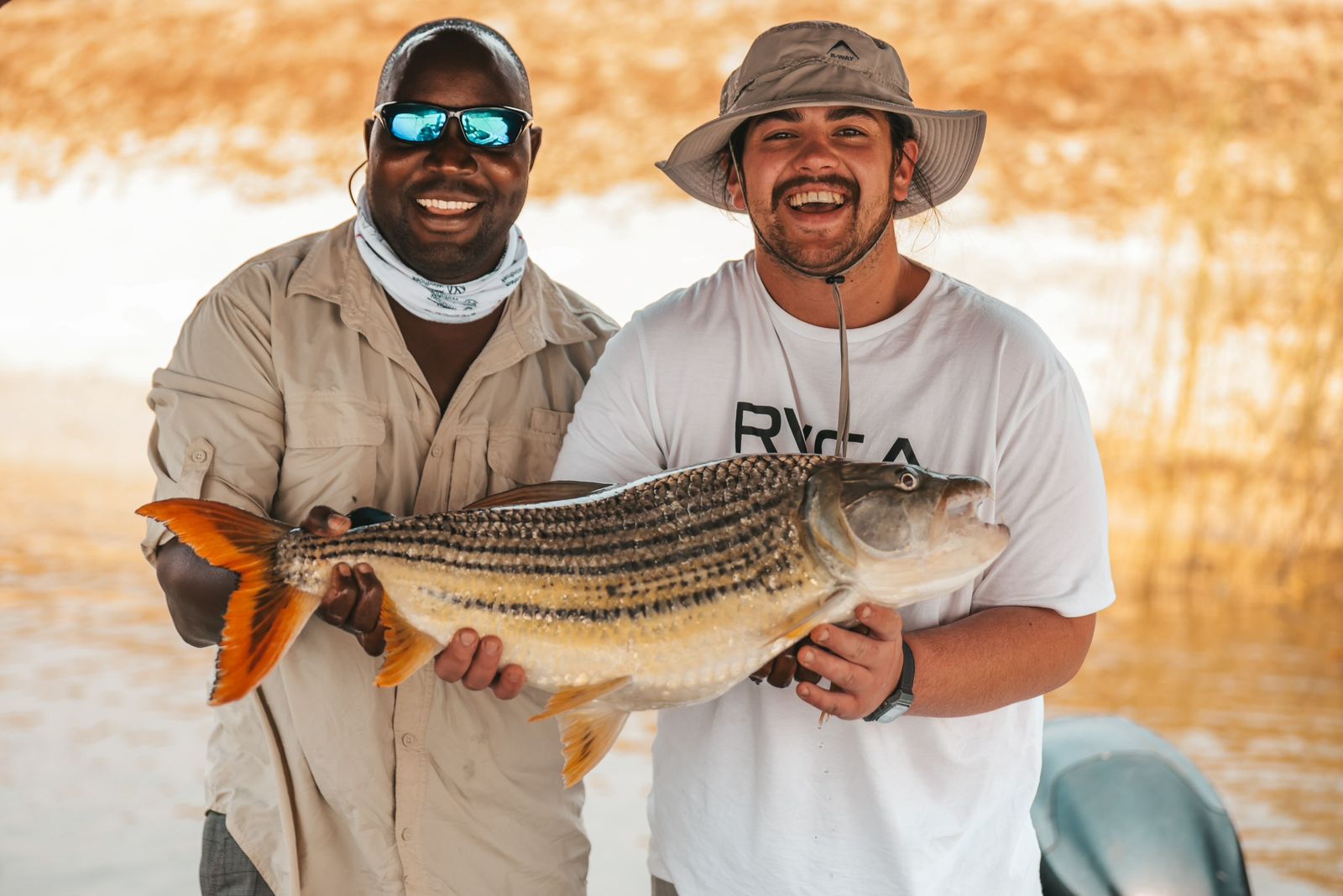
First-time Zambezi Tourist: Tiaan van Jaarsveld with Guide Charles Kweleka

"I am so grateful for Charles that day. Throughout the 11 minute ordeal from strike to safe release Charles constantly told me:, "Relax", "Keep the rod down", "Enjoy the fight", "Remember this moment" and I always will."
Myth #2: Tiger Fishing Is Mostly Luck

Many anglers believe tiger fishing is little more than rolling the dice. You launch the boat, drift down the river and hope for the best. Luck certainly plays a role. But patterns play a far bigger role. But patterns play a far bigger role.
 
At Kubu & Kwena, we record every landing.
 
We track:
 
  • species
  • fish weight
  • fish length
  • water temperature,
  • depth of catch,
  • location on the river,
  • guide,
  • fishing method,
  • species,
  • air pressure,
  • and time of day.
 
When thousands of records begin stacking on top of each other, interesting patterns emerge. Certain areas consistently perform under specific conditions. Certain techniques outperform others during particular periods. Our guides repeatedly produce exceptional results.
 
This information has led us to develop what we call the Tiger Hour:
Rather than measuring total fish landed, we measure how much time passes between tigerfish catches.
The goal is simple: Understand what works and improve the experience for future guests. Tigerfish do not read spreadsheets. But anglers should.
 
Luck matters, but patterns matter more. These metrics help those whose livelihoods depend on the river develop deep knowledge and an intricate understanding of its secrets.

Myth #3: You Need Expensive Gear

The fishing industry loves selling equipment. And anglers, ourselves included, are often willing buyers. Many guests arrive with tackle bags worth thousands. Some have rods that cost more than airline tickets.
 
There is absolutely nothing wrong with quality equipment. But expensive tackle is often overrated. Over the past three years, approximately 92% of our tigerfish have been caught on live bait. Not on the newest lure. Not on the latest imported gadget. Not on a reel that costs more than a month’s rent.
 

Local knowledge continues to outperform expensive equipment.

The fanciest tackle in the world cannot replace understanding fish behaviour.

WHAT IS THE BEST GEAR FOR TIGER FISHING?

Have a look at what we use to land the big ones

Myth #4: Bigger Rivers Mean Better Fishing

People often assume that bigger automatically means better. A bigger river. A bigger floodplain. A bigger destination. Surely that means better fishing?
 
Not necessarily. Good fishing depends on many factors:
 
  • Fish density.
  • Baitfish populations.
  • Water quality.
  • Seasonal movements.
  • Habitat.
  • Fishing pressure.
  • Guide knowledge.
 
Some stretches of river produce consistently because conditions align perfectly. Others look spectacular but fish poorly. Size is only one variable. The fish do not care how impressive the river looks in a photograph.

Hour by Hour

The shape of a fishing day.

% Catches & Size by Hour · 2025

% of catches Avg lbs
Hover a column to split

When the fish eat — and when the big boys show.

7.7%8.1
06
12.9%7.7
07
11.3%7.5
08
14.5%7.4
09
7.3%6.7
10
7.8%6.5
11
3.3%8.3
12
1.1%8.1
13
3.2%7.7
14
8.8%6.8
15
11.3%6.3
16
10.7%6.1
17

06:00 → 18:00 · bars share the same axis, scaled to each series' max

Myth #5: The Best Time To Fish Is… Whenever You Have Leave

This myth causes a lot of disappointment. People often ask: “When is the best time to catch tigerfish?”

The honest answer is that conditions matter. Water levels matter. Flooding cycles matter. Water temperature matters. Fish behaviour changes throughout the year. Some months produce more fish. Others produce larger fish so what does “Best” mean? Most landings? Biggest fish? Would you rather land 5 x 5-lbs tigers in a day or 1 x 15-lbs tiger? Some periods offer excellent action. Others require more patience, and next year, with the slightest change in the rains – everything is different.

In January of 2025, our tiger hour was 57 minutes (42 minutes in the middle of the month). In January of 2026, it was 154 minutes just because the flood was more severe.

The good news is that understanding these seasonal patterns allows anglers to plan more effectively.
The bad news is that tigerfish do not check your holiday calendar before deciding whether to feed.
 
Look at the data below  to see how the % of 2025’s landings differs just on a daily size/per hour metric: The % is the % of fish caught for the year and the average size per hour of the day.


Myth #6: A Guide Just Drives The Boat

This one usually disappears after a guest spends a few days on the river. Many people arrive believing the guide’s job is simply to operate the boat. A professional guide does much more than that:
  • They read water.
  • They understand bait movement.
  • They interpret changing weather conditions.
  • They position the boat.
  • They coach anglers.
  • They solve problems.
  • They adjust tactics throughout the day.
 
At Kubu & Kwena, our guides are measured against real fishing performance data. They compete in local fishing club trials, fish in their own time and constantly refine their understanding of the river.
 
A boat driver takes you fishing.
A guide helps you catch fish.

Myth #7: Tiger Fishing Is Only About Catching Fish

This may be the biggest myth of all. People arrive expecting fish. And rightly so, if you consider the monetary, emotional, and opportunity costs of a fishing trip. But most guests leave talking about something else entirely.

They remember:

  • being unplugged from pings, dings and traffic.
  • Nature.
  • Laughter.
  • Stories around the fire.
  • The father and son who finally got time together.
  • The old friends who had not travelled together in years.
 
The tigerfish are part of the story. But they are rarely the whole story.
Most guests arrive for the fish. The best ones leave with memories. And perhaps that is why so many come back.
Beautiful moments and unforgettable stories.